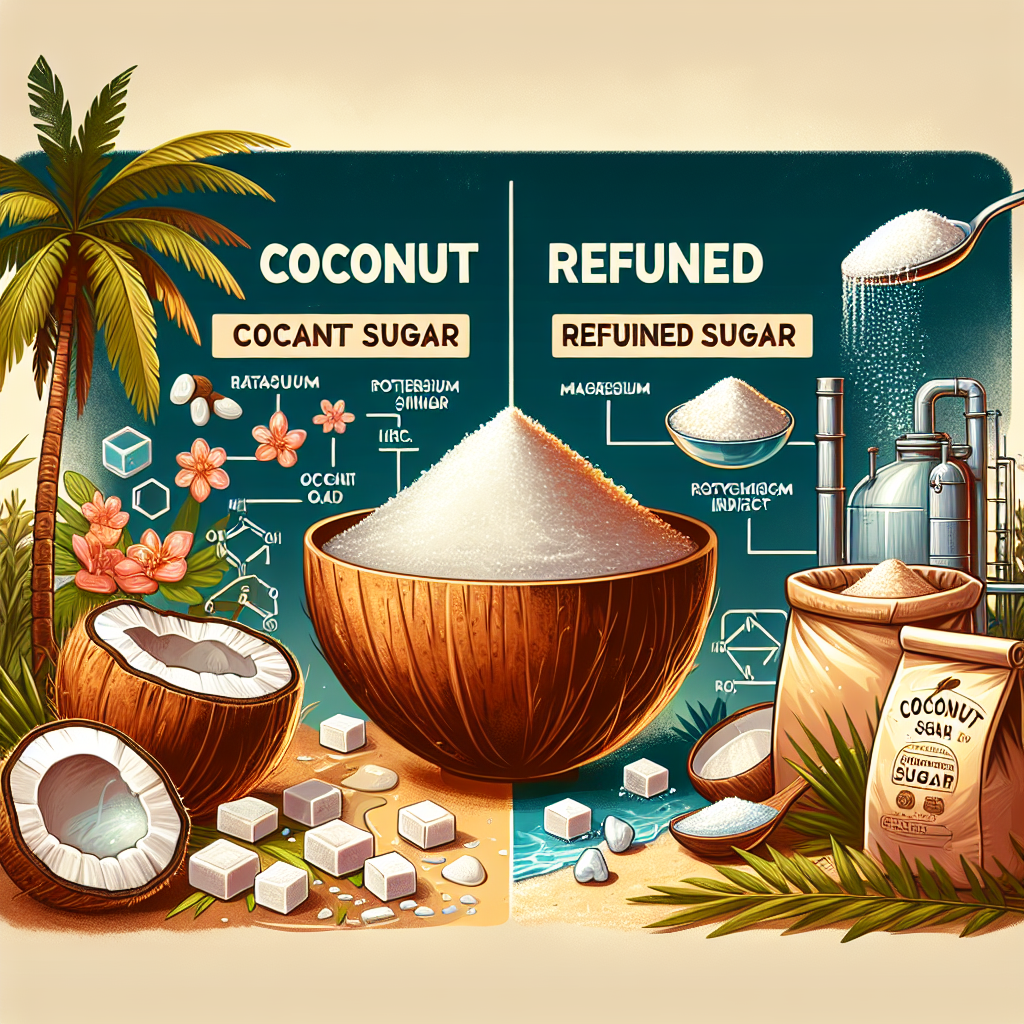
Coconut Sugar vs. Refined: Is This Natural Sweetener a Healthier Choice?
In an age where health consciousness is on the rise, many consumers are scrutinizing every ingredient that makes it onto their plates. Among the myriad of dietary considerations, sugar often takes center stage, and for good reason. The detrimental effects of excessive refined sugar consumption are well-documented. This has led to a booming interest in alternative sweeteners, with one in particular gaining significant traction: coconut sugar. Touted as a healthier, more natural option, coconut sugar has found its way into kitchens and grocery aisles worldwide. But how does it truly stack up against its highly processed counterpart? Is this
natural sweetener coconut sugar a genuine upgrade for your diet, or is it merely sugar in a different form? Let's delve into the facts, separate the marketing hype from scientific reality, and uncover whether coconut sugar is indeed a step towards a healthier lifestyle.
Unpacking Coconut Sugar: Origin, Flavor, and Production
Coconut sugar, often referred to as coconut palm sugar, is not a newcomer to the culinary world, but its global popularity has surged in recent years. This unique sweetener is derived from the sap of the coconut palm tree (Cocos nucifera), specifically from the flower blossoms. The process of making coconut sugar is relatively straightforward and traditionally low-tech. First, a cut is carefully made on the coconut palm flower, and the sweet, liquid sap is collected into bamboo containers. This sap is then transferred to large woks or pans, where it is heated until most of the water evaporates. What remains is a thick, caramel-like syrup that solidifies and is then granulated. The end product is typically brown, ranging from a light golden hue to a medium, earthy brown, and its texture can vary from fine and powdery to slightly coarser, resembling brown sugar.
One of the most appealing aspects of coconut sugar, beyond its natural origins, is its distinctive flavor profile. Unlike the stark, one-dimensional sweetness of refined white sugar, coconut sugar offers a subtly sweet, rich caramel taste with delightful hints of butterscotch. This nuanced flavor is less intense than regular table sugar, allowing it to complement and enhance other ingredients rather than overpowering them. This makes it an excellent choice for a variety of culinary applications, from baking to beverages. For those interested in exploring its various uses in depth, you might find valuable insights in our related article:
From Palm to Plate: Discover Coconut Sugar's Natural Sweetness & Uses.
A Nutritional Snapshot: Coconut Sugar Versus Refined Sugar
When we talk about whether a sweetener is "healthy," a critical first step is to examine its nutritional composition. Refined white sugar, or sucrose, is often described as providing "empty calories." This means it offers a quick burst of energy but delivers virtually no essential vitamins, minerals, or other beneficial nutrients. It is 100% pure sugar with no redeeming qualities beyond its taste and caloric content.
Coconut sugar, on the other hand, presents a slightly different picture. While it is undeniably still sugar – predominantly sucrose (about 70-80%), with smaller amounts of glucose and fructose – its production method means it retains some of the inherent nutrients found in the coconut palm sap. A typical serving of coconut sugar contains calories (approximately 381.6 kcal per 100g), carbohydrates (around 97.7g, with 96.3g being sugars), and trace amounts of protein and fat.
However, the key distinction lies in the presence of trace minerals and antioxidants. Coconut sugar may contain small quantities of:
- Iron: Essential for oxygen transport in the blood.
- Zinc: Important for immune function and cell growth.
- Calcium: Vital for bone health.
- Potassium: Crucial for maintaining fluid balance and nerve function.
Additionally, due to its unrefined nature, coconut sugar may retain some antioxidants, which help protect the body's cells from damage caused by free radicals. It's important to stress the word "trace" here. While these nutrients are indeed present, the quantities are relatively small. To obtain significant amounts of these minerals, one would need to consume a considerable amount of coconut sugar, which would, in turn, lead to excessive sugar intake—counteracting any potential benefits. Thus, while it's a slight nutritional upgrade from refined sugar, it's not a powerhouse of nutrients by any means.
The Glycemic Index Debate and Other Potential Benefits
One of the most frequently cited health advantages of coconut sugar is its purported lower glycemic index (GI) compared to refined sugar. The glycemic index is a system that ranks carbohydrate-containing foods based on their effect on blood sugar levels. Foods with a lower GI (55 or less) are digested and absorbed more slowly, leading to a more gradual rise in blood glucose and insulin levels. This can be beneficial for managing blood sugar, sustaining energy, and potentially reducing the risk of type 2 diabetes and heart disease.
While refined table sugar typically has a GI of around 60-65, some studies and sources claim coconut sugar has a GI as low as 35-54. This lower GI is often attributed to the presence of inulin, a type of dietary fiber found in the coconut sap, which can slow down glucose absorption. If this claim holds universally true, it would indeed make coconut sugar a potentially better choice for maintaining more stable blood sugar levels.
However, it's crucial to approach this claim with a degree of caution. Scientific research on the GI of coconut sugar is not as extensive or conclusive as for other foods, and reported values can vary significantly depending on the testing methodology, serving size, and even individual metabolic responses. Some studies have indicated a GI closer to that of regular sugar. Therefore, while the *potential* for a lower GI exists, it should not be seen as an excuse for unlimited consumption. It is still sugar, and its primary component is sucrose.
Beyond the GI, the less processed nature of coconut sugar means it avoids the intense refining processes that strip away nutrients from white sugar. This minimal processing helps it retain some natural compounds and the aforementioned trace minerals. While these are not present in quantities that would make coconut sugar a health food, they do make it a marginally more nutrient-dense option than pure cane sugar.
Practical Applications and Healthier Indulgences
Given its unique flavor and subtle nutritional edge, coconut sugar has become a popular substitute in various culinary contexts. Its 1:1 substitution ratio for white or brown sugar in most recipes makes it incredibly easy to integrate into your kitchen.
Here’s how you can make the most of this versatile
natural sweetener coconut sugar:
- Baking: Replace white or brown sugar cup-for-cup in cookies, cakes, muffins, and bread. The caramel notes of coconut sugar add a wonderful depth of flavor that can elevate your baked goods. For specific tips and inspiration on how to use it in your baking, check out: Elevate Your Baking: The Caramel Notes of Natural Coconut Palm Sugar.
- Beverages: Dissolve it in hot drinks like coffee, tea, or hot cocoa. Its delicate sweetness and caramel undertones can enhance the flavor of your favorite warm beverages without overpowering them.
- Breakfast Toppings: Sprinkle it over oatmeal, yogurt, fresh fruit, or pancakes for a touch of natural sweetness that complements the existing flavors.
- Savory Dishes: Don't limit it to desserts! Coconut sugar can be incorporated into stir-fries, marinades, sauces, and salad dressings to add a balancing touch of sweetness and complexity. It pairs particularly well with Asian-inspired cuisine.
- Homemade Sweets: Use it to create homemade caramel sauce, simple syrups, or healthier versions of candies and desserts. Its unique flavor profile truly shines in these applications.
When experimenting, consider that coconut sugar is less intensely sweet than refined sugar, so you might find you need slightly less to achieve your desired level of sweetness, or you might appreciate the reduced sweetness overall.
The Verdict: Is Coconut Sugar Truly Healthier?
After weighing the evidence, the answer to whether coconut sugar is a healthier choice than refined sugar is nuanced.
Coconut sugar does offer some tangible advantages:
- It's a natural sweetener that undergoes minimal processing.
- It retains trace amounts of minerals like iron, zinc, calcium, and potassium, and some antioxidants.
- It boasts a distinctive, appealing caramel-like flavor profile.
- It *may* have a lower glycemic index, potentially leading to more stable blood sugar levels for some individuals.
However, it is crucial to remember that at its core, coconut sugar is still sugar. It is high in calories and primarily composed of sucrose. Consuming it in large quantities will still contribute to excessive sugar intake, with all its associated health risks, including weight gain, increased risk of type 2 diabetes, and cardiovascular issues. The "trace" nutrients are not significant enough to justify overconsumption.
Ultimately, while coconut sugar presents a marginally better alternative to highly refined white sugar due to its less processed nature and minor nutritional content, it is not a health food. It should be used in moderation, much like any other sweetener. For those who enjoy its unique flavor and prefer a more natural option, coconut sugar can be a welcome addition to a balanced diet. However, the healthiest approach to sweeteners remains reducing overall sugar intake, regardless of its source.